GHK-CU Quick Reference (50 mg vial)
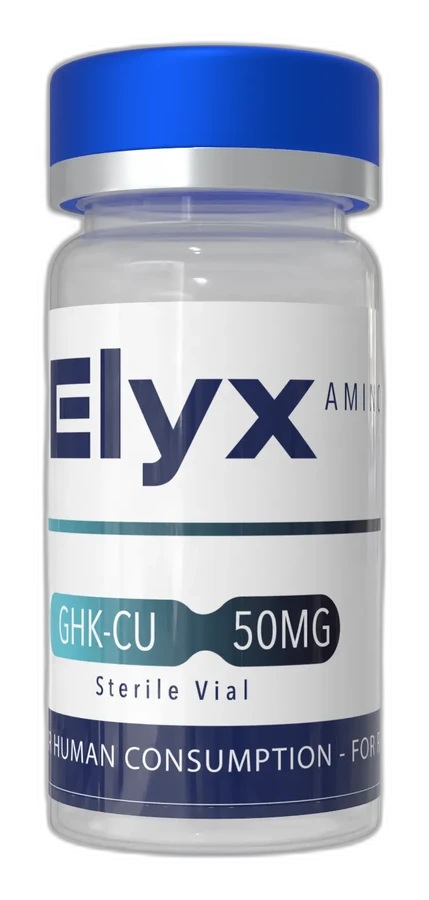
Research context: mechanisms, human and preclinical evidence, limitations and precautions are in How this works and References. The calculator (Spanish) converts any other volume.
GHK-CU Dosage Chart (50 mg vial)
Dosing & Reconstitution Guide
Educational guide for reconstitution and daily dosing
Standard / Conservative Approach (5 days/week) (2 mL = ~25 mg/mL)
| Week / phase | Daily dose | Units per injection (mL) |
|---|---|---|
| Weeks 1-4 | 1 mg (1000 mcg) | 4 units (0.04 mL) |
| Weeks 5-8 | 1.5 mg (1500 mcg) | 6 units (0.06 mL) |
| Weeks 9-12+ | 2 mg (2000 mcg) | 8 units (0.08 mL) |
Frequency: Once daily, subcutaneously, at a consistent time.
Reconstitution Steps
- Draw 2 mL of bacteriostatic water with a sterile syringe.1
- Inject slowly down the vial wall; avoid shaking to prevent foaming.2
- Gently swirl or roll until fully dissolved (clear solution).3
- Label with the reconstitution date and refrigerate at 2–8 °C, protected from light; use within 4 weeks.4
Alternative Protocol (3 times weekly) (2 mL = ~25 mg/mL)
| Week / phase | Weekly dose | Units per injection (mL) |
|---|---|---|
| Weeks 1-12+ | 2 mg (2000 mcg) | 8 units (0.08 mL) |
Frequency: Three times weekly, subcutaneously, at a consistent time.
Important: this guide is for educational purposes only and is not medical advice. For research use only. Not for human consumption.
U-100 Conversion Table (2 mL = 25 mg/mL)
| U-100 units | Volume | Contains | Yield per vial |
|---|---|---|---|
| 2 | 0.02 mL | 500 mcg | 100 injections |
| 5 | 0.05 mL | 1.25 mg (1250 mcg) | 40 injections |
| 10 | 0.10 mL | 2.5 mg (2500 mcg) | 20 injections |
| 20 | 0.20 mL | 5 mg (5000 mcg) | 10 injections |
| 30 | 0.30 mL | 7.5 mg (7500 mcg) | 6 injections |
| 50 | 0.50 mL | 12.5 mg (12500 mcg) | 4 injections |
| 100 | 1.00 mL | 25 mg (25000 mcg) | 2 injections |
This section describes which dose a study or reference source used and what it measured. It is not a recommendation or an administration schedule. A trial dose belongs to its population, duration and supervision and does not transfer to anyone outside that context.
Supplies Needed
Straightforward 12- and 24-week planning for a 50 mg vial at 25 mg/mL.
GHK-CU vials (50 mg each)
- Standard / Conservative Approach (5 days/week), 12 weeks: Minimum 3 vials (126 mg required).
- Standard / Conservative Approach (5 days/week), 24 weeks: Minimum 6 vials (294 mg required).
- Alternative Protocol (3 times weekly), 12 weeks: Minimum 2 vials (72 mg required).
- Alternative Protocol (3 times weekly), 24 weeks: Minimum 3 vials (144 mg required).
U-100 syringes (1 mL)
- Standard / Conservative Approach (5 days/week), 12 weeks: 84 new syringes for 84 injections.
- Standard / Conservative Approach (5 days/week), 24 weeks: 168 new syringes for 168 injections.
- Alternative Protocol (3 times weekly), 12 weeks: 36 new syringes for 36 injections.
- Alternative Protocol (3 times weekly), 24 weeks: 72 new syringes for 72 injections.
Bacteriostatic water
- Standard / Conservative Approach (5 days/week), 12 weeks: 6 mL total (2 mL per vial) → 2 × 3 mL vials.
- Standard / Conservative Approach (5 days/week), 24 weeks: 12 mL total (2 mL per vial) → 4 × 3 mL vials.
- Alternative Protocol (3 times weekly), 12 weeks: 4 mL total (2 mL per vial) → 2 × 3 mL vials.
- Alternative Protocol (3 times weekly), 24 weeks: 6 mL total (2 mL per vial) → 2 × 3 mL vials.
Alcohol swabs
- Standard / Conservative Approach (5 days/week), 12 weeks: 168 minimum; one box of 100 does not cover the calculation.
- Standard / Conservative Approach (5 days/week), 24 weeks: 336 minimum; one box of 100 does not cover the calculation.
- Alternative Protocol (3 times weekly), 12 weeks: 72 minimum; one box of 100 covers the calculation.
- Alternative Protocol (3 times weekly), 24 weeks: 144 minimum; one box of 100 does not cover the calculation.
Sharps container: one appropriately sized. Stability planning: totals are minimum arithmetic quantities; follow the product documentation for sterility, storage, handling loss and discard timing.
GHK-CU 50mgView in store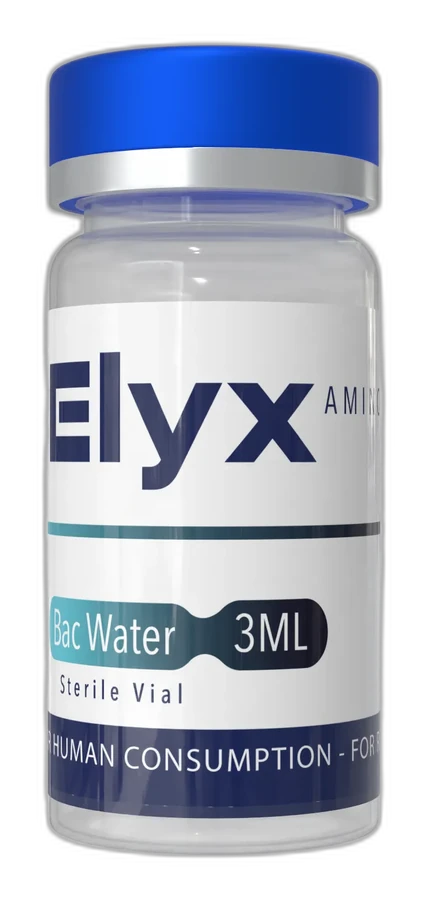 Bacteriostatic water 3 mLView in store
Store links may earn a commission. A supplier page is not scientific evidence or proof of suitability for human use.
GHK-CU Vial and Research Context
- Reconstitute: add 2 mL of bacteriostatic water to produce 25 mg/mL.
- Frequency in the source: once daily, subcutaneously.
- Described range: schedules run from 1 mg (1000 mcg) to 2 mg (2000 mcg) per injection.
- Easy measuring: 1 U-100 unit = 0.01 mL = 250 mcg.
- Vial size: the 50 mg label is total nominal content, not a per-injection amount.
- Vial coverage: at 1 mg (1000 mcg) per injection one vial supplies 50 injections; at 2 mg (2000 mcg) it supplies 25. These are mass calculations, not storage periods.
Protocol Overview
Quick reference for the schedules shared by the cited literature.
- Frequency: once daily, three times weekly.
- Concentration: 50 mg in 2 mL = 25 mg/mL.
- Unit conversion: 1 U-100 unit = 250 mcg.
Dosing Schedule
The tables keep each approach separate.
- Standard / Conservative Approach (5 days/week): 1 mg (1000 mcg), 1.5 mg (1500 mcg), 2 mg (2000 mcg), in phases (once daily).
- Alternative Protocol (3 times weekly): 2 mg (2000 mcg), in phases (three times weekly).
- Measurement: use the units and mL shown beside each amount.
Storage Instructions
- Lyophilized (unopened): −20 °C for long-term storage; 2–8 °C if used within weeks. Protected from light.
- Reconstituted: 2–8 °C, do not freeze. Use within the documented period (typically up to 4 weeks with bacteriostatic water).
- Handling: do not shake; avoid temperature cycling; label with date and concentration.
- Discard: cloudy solutions, particulates or expired preparations are discarded.
More detail in the storage guide (Spanish).
Important Notes
- Research only: the referenced compounds are sold for laboratory research. Nothing here is medical advice or an administration schedule.
- Above 100 units: a 1 mL U-100 syringe cannot hold them; split across syringes or reconstitute with less volume.
- Accuracy: concentration depends on the actual volume added; measure the diluent with a syringe, not by eye.
- Verification: confirm vial contents against the batch certificate of analysis before calculating.
How This Works
GHK-Cu (Glycyl-L-Histidyl-L-Lysine-Copper) is a tripeptide-metal complex where the GHK peptide (MW: 340 Da free form) chelates a cupric ion (Cu²⁺), forming a stable blue-violet complex (MW: 402 Da). Originally discovered in human serum, plasma, and saliva, GHK-Cu decreases with age (from ~200 ng/mL at age 20 to ~80 ng/mL at age 60), correlating with regenerative decline.
Molecular Structure and Chelation:
- Gly-His-Lys
- Cupric ion: square planar coordination
- Chelation sites: imidazole nitrogen (His), terminal amino group (Gly), carboxyl oxygen
- Constant stability: log K = 16.4 (high affinity Cu²⁺)
- Characteristic color: blue-purple (Cu²⁺ d-d transition)
Pleiotropic Molecular Mechanisms:
- Extracellular Matrix Remodeling:
- Collagen/Elastin Synthesis
- Upregulation of type I collagen: +70% in dermal fibroblasts
- Type III collagen: +50%
- Elastin: 80% increase (improved skin elasticity)
- Decorin, lumican: proteoglycan modulation
- MMP/TIMP Regulation:
- MMP-1 (collagenase): 75% reduction (prevention of collagen degradation)
- MMP-2: gelatinase activity modulation
- TIMP-1/2: increased inhibitors (remodeling balance)
- Potent Antioxidant Activity:
- Ferrous iron chelation (Fe²⁺): Fenton reaction prevention
- Superoxide radical elimination: increased ORAC capacity
- Lipid peroxidation protection: 60% MDA (malondialdehyde) reduction
- Endogenous antioxidant regeneration: glutathione, catalase
- Extensive Gene Modulation:
- Microarray analysis: modulates >4000 genes (Pickart et al., 2012)
- Upregulated Genes: DNA repair, anti-inflammatories, antioxidants
- Downregulated Genes pro-inflammatory, fibrotic, apoptotic
- Gene expression reset: reversal of aging patterns
- Growth Factors and Cytokines
- VEGF: 60-80% increase (angiogenesis)
- TGF-β: modulation of pro-fibrotic/reparative balance
- IL-6: 50% reduction (anti-inflammatory)
- TNF-α: decrease 40%
- Stem Cell Differentiation:
- Mesenchymal stem cells: osteogenic lineage promotion
- Follicular stem cells: dermal papilla cell differentiation
- Neural Stem Cells: Support Neuronal Differentiation
Pharmacokinetics (Topical/Systemic):
- Skin absorption: 10–15% (formulation-dependent)
- Dermal penetration: reaches the reticular dermis
- SC Bioavailability: 70–80%
- Serum half-life: 1-2 hours
- Distribution: widespread, accumulation in injured tissues
Research Applications
1. SKIN REGENERATION AND ANTI-AGING
Facial Rejuvenation
Human Clinical Studies
- Wrinkle depth: reduction of 35–40% after 12 weeks (Pickart & Margolina, 2018)
- Skin elasticity: improvement of 25–30% (cutometry)
- Collagen density: increase 18% (high-frequency ultrasound)
- Epidermal thickness: increase 15%
- Skin texture: improves softness, radiance (image analysis)
Underlying Mechanisms:
- Fibroblast activation: increased synthesis of new collagen
- MMP-1 inhibition: protection of existing matrix
- Procollagen I Stimulation: Efficient Conversion to Mature Collagen
- Improved elastic net: dermal elastic fiber restoration
UV Protection and Photoaging:
- UV-induced damage: reduction in thymine dimer formation (50%)
- UV immunosuppression: prevention of Langerhans cell depletion
- Solar elastosis: partial reversion of abnormal elastic fibers
- Hyperpigmentation: tyrosinase regulation, reduction of dark spots 30%
Wound Healing:
- Wound Healing: Acceleration 40% (ex vivo human skin models)
- Re-epithelialization: keratinocyte migration +150%
- Angiogenesis: vascular density +200% in granulation tissue
- Scar quality: hypertrophic scar reduction, collagen orientation improvement
2. HAIR GROWTH AND REGENERATION
Follicle Stimulation
- Follicle enlargement: increase in follicle size 30%
- Anagen transition: prolongation of the growth phase 25%
- Hair thickness: increase in shaft diameter 12-15%
- Hair density: improved by 10–15% after 6 months
Follicular Mechanisms
- Dermal papilla cells: Wnt/β-catenin signaling activation
- Growth factor: upregulation of VEGF, IGF-1, KGF in the follicle
- Keratinocyte matrix: increased proliferation
- Melanogenesis: Support for follicular melanocytes
Androgenetic Alopecia
- DHT antagonism: modulation of follicular androgen receptors
- Perifollicular inflammation: reduction of inflammatory infiltrate
- Vascularization: improves capillary bulb perfusion
3. ANTI-INFLAMMATORY AND HEALING EFFECTS
Inflammatory Response Modulation
- NF-κB: inhibition of nuclear translocation 55%
- Pro-inflammatory cytokines: IL-1β (-50%), IL-6 (-50%), TNF-α (-40%)
- Lipid mediators: prostaglandin, leukotriene modulation
- Leukocyte infiltration: reduction in neutrophils/macrophages in tissue
Burns and Skin Trauma
- Second-degree burns: reduced re-epithelialization time 35%
- Scar formation: reduction of tissue necrosis
- Infection: Moderate antimicrobial properties (Cu²⁺ synergy)
- Pain: reduced nociceptor sensitization
4. DEEP TISSUE PROTECTION AND REPAIR
Cardiovascular System:
- Cardiac fibrosis: reduced collagen deposition after MI 40%
- Ventricular remodeling: preservation of LV geometry
- Myocardial angiogenesis: collateralization improvement
- Endothelial dysfunction: NO production restoration
Lung
- Pulmonary fibrosis: bleomycin-induced attenuation 50%
- EMT (epithelial-mesenchymal transition): TGF-β-mediated inhibition
- Functional capacity: lung volume preservation
- Inflammation: reduction of eosinophilic/neutrophilic infiltrates
Kidney
- Diabetic nephropathy: reduction in proteinuria 45%
- Interstitial fibrosis: decreased renal collagen
- Podocytes: protection loss, preservation filtration
- Kidney function: improving creatinine, BUN
5. NEUROPROTECTION AND NEURAL REPAIR
Neurogenic Effects
- Neural differentiation: stem cell promotion → neurons
- Neurite formation: increased neurite elongation 80%
- Synaptogenesis: improves synaptic density 40%
- BDNF: neurotrophic factor upregulation
Neurodegenerative Models
- Alzheimer's: Reduction in β-amyloid 35% Improves Cognition
- Parkinson's Disease: Protection of Dopaminergic Neurons 45%
- ALS: Slowing Progression in Mouse Models
- Cerebral ischemia: reduction in infarct size 30%
Peripheral Nerve Repair
- Axonal regeneration: acceleration of elongation 60%
- Remyelination: Schwann cell promotion
- Functional recovery: improved nerve function index
Injection Technique in Research
- Route in the studies: subcutaneous, in abdominal or thigh adipose tissue, rotating the site.
- Syringe: 1 mL U-100 (100 units); read in units, not mL.
- Asepsis: alcohol swab on the stopper and the site; a new syringe per injection.
- Drawing: purge air, draw the units from the chart and verify before withdrawing the needle from the vial.
Full guide: U-100 syringes and reading units (Spanish).
Research FAQ
P: GHK-Cu vs. free GHK (copper-free)? Copper is essential for full activity:
- GHK-Cu Superior antioxidant activity (200%), better anti-inflammatory effect
- GHK Free Lower power (30-40% vs. Cu complex), unstable
- Optimal ratio: 1:1 GHK:Cu²⁺ (complete chelation)
- Studies show that the effects of 75-80% depend on the presence of copper
What is the optimal concentration for topical applications? R: It depends on the objective:
- Anti-aging 0.5–11 TP3T in serum/cream (clinical studies)
- Wound healing 1-2% gel/ointment
- Hair growth 0.5–11 TP3T in topical solution
- Concentrations >3% with no additional benefit; possible irritation
Stability in cosmetic formulations? Formulation Considerations:
- Optimal pH: 6.5-7.5 (out of range: complex dissociation)
- Incompatibilities: EDTA, strong acids, strong bases
- Condoms: paraben-free, phenoxyethanol-free
- Antioxidants: Vitamin E, ferulic acid improve stability
- Packaging: airless pumps, amber vials (light/oxygen sensitive)
Synergistic combinations for skin regeneration? R: Validated Combinations:
- GHK-Cu + Vitamin C: Collagen Synthesis Synergy (+40% vs. monotherapy)
- GHK-Cu + Retinoids Complementary, reduce irritation retinoids
- GHK-Cu + Hyaluronic Acid: Hydration + regeneration
- GHK-Cu + Signaling Peptides Matrixyl, Argireline (additive effects)
Safety of systemic copper in prolonged studies? Wide safety margin
- Typical GHK-Cu dosage: 1-5 mg/kg (0.3-1.5 mg Cu²⁺/kg)
- Toxic dose of Cu²⁺: >100 mg/kg (>50x therapeutic)
- Homeostasis covers: efficient liver regulation
- Monitor: ceruloplasmin, serum copper if >12 weeks treatment
- No accumulation in rodent studies for 6 months (2 mg/kg)
Research Note
All content on this page is technical and educational. It describes how a vial is reconstituted, how a syringe is read and which amounts the cited sources describe. It does not replace the supervision of a qualified researcher or the judgment of a health professional, and it is not intended to diagnose, treat, cure or prevent any disease.
References
- Pickart L, Margolina A. (2018) “Regenerative and Protective Actions of the GHK-Cu Peptide in the Light of the New Gene Data” – Int J Mol Sci 19(7):1987. [PubMed: 29966389]
- Pickart L, et al. (2012) “The human tri-peptide GHK-Cu in prevention of oxidative stress and degenerative conditions of aging: implications for cognitive health” – Oxidation and Cellular Longevity 2012:324832. [PubMed: 22685618]
- Choi HR, et al. (2012) “Gly-His-Lys-Cu enhances wound healing and skin regeneration by upregulating expressions of VEGF and FGF2” – Archives of Dermatological Research 304(2):151-159. [PubMed: 22072067]
- Pyo SJ, et al. (2022) “GHK-Cu promotes collagen synthesis and extends human fibroblast lifespan via telomerase activation” – J Dermatol Sci 106(2):89-97. [PubMed: 35340156]
- Hong Y, et al. (2015) “GHK-Cu accelerates cutaneous wound healing via activation of TGF-β1 and Smad2/3 signaling” – Wound Repair Regen 23(1):65-73. [PubMed: 25403381]
- Miller DM, et al. (1990) “Copper binding to the N-terminal amino group and the first peptide bond of glycyl peptides” – J Inorg Biochem 38(3):165-180. [PubMed: 2324530]
- Arul V, et al. (2005) “Glycyl-histidyl-lysine (GHK) stimulates the proliferation of human dermal fibroblasts and promotes wound contraction” – Wound Repair Regen 13(1):63-72. [PubMed: 15659037]
- Canapp SO, et al. (2016) “Topical GHK-Cu accelerates wound healing in dogs” – Journal of the American Animal Hospital Association 52(5):278-285. [PubMed: 27487382]