Bacteriostatic Water Quick Reference (3 ml vial)
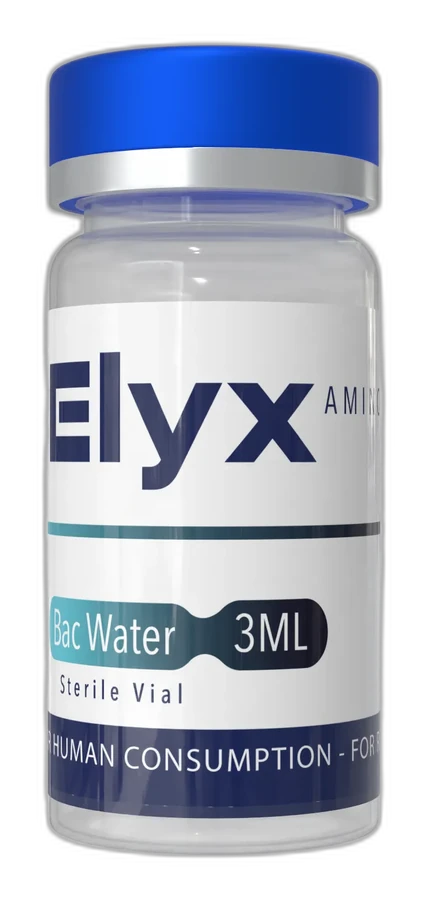
Research context: mechanisms, human and preclinical evidence, limitations and precautions are in How this works and References. The calculator (Spanish) converts any other volume.
Bacteriostatic Water Dosage Chart (3 ml vial)
This supply has no dosage chart: it is used as a diluent or support.
Supplies Needed
Usual material for working with this supply.
Bacteriostatic Water 3mlView in storeBacteriostatic water 3 mLView in storeStore links may earn a commission. A supplier page is not scientific evidence or proof of suitability for human use.
Storage Instructions
- Unopened: 15–25 °C, protected from light.
- Opened: bacteriostatic water is used for up to 28 days from first puncture; acetic acid per label.
- Discard: if cloudy, with particulates or discolored.
Important Notes
- Research only: the referenced compounds are sold for laboratory research. Nothing here is medical advice or an administration schedule.
- Verification: confirm vial contents against the batch certificate of analysis before calculating.
Research FAQ
Q: Can I use home-boiled/distilled tap water? R: NO. Absolutamente contraindicado.
- Endotoxins: not eliminated by boiling (heat-stable)
- Esterilidad: no garantizada (esporas resisten ebullición)
- Pirogénicos: contaminantes potenciales (reacciones febriles)
- Inconsistent quality: no validation, risk of infection
- Riesgo: Infección, abscesos, sepsis potencialmente fatal
Q: Is expired bacteriostatic water (>28 days) usable? R: NOT recommended for rigorous research.
- Crecimiento microbiano: posible incluso con preservativo
- Preservative activity: may decline after >28 days
- Riesgo contaminación: incrementa temporalmente
- If absolutely urgent: thorough visual inspection, but the risk is assumed
Q: Can I mix multiple peptides in the same bacteriostatic water solution? R: Generalmente NO recomendado.
- Interacciones péptido-péptido: posible agregación, precipitación
- Estabilidad individual: puede verse comprometida
- Dosificación: complejidad cálculo si ratios variables
- Excepción: combinaciones validadas explícitamente (ej: CJC+Ipamorelin en algunos protocolos)
Q: What should I do if the peptide does not fully dissolve? R: Evaluación paso-a-paso:
- Tiempo adicional: permitir 10-15 min reposo
- Rotación suave: continuar movimiento circular
- Temperatura: verificar no excesivamente frío
- Insufficient volume: add more water if the peptide is highly concentrated
- Precipitation: if it persists, it may indicate a degraded peptide or incorrect formulation
- Consulta: contactar proveedor si problema persiste
Q: Is 70% isopropyl alcohol equivalent to benzyl alcohol in water? R: NO. Completamente diferente.
- Isopropyl alcohol: EXTERNAL disinfectant (skin, surfaces), NEVER inject
- Alcohol bencílico: preservativo farmacéutico, seguro inyección (concentraciones apropiadas)
- Confusion: both are “alcohol” but radically different in chemistry/toxicity
Research Note
All content on this page is technical and educational. It describes how a vial is reconstituted, how a syringe is read and which amounts the cited sources describe. It does not replace the supervision of a qualified researcher or the judgment of a health professional, and it is not intended to diagnose, treat, cure or prevent any disease.